



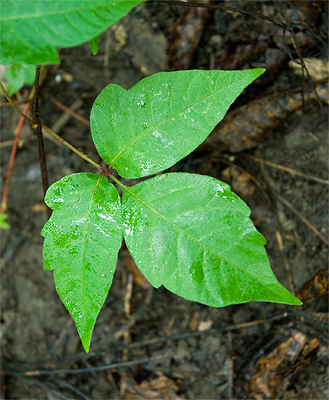
Skin contact with poison ivy, oak or sumac causes a rash. This rash is caused by an oil found in plants, called urushiol (you-ROO-shee-all)
Dermatologist can diagnose poison ivy, oak or sumac by simply looking at the rash.
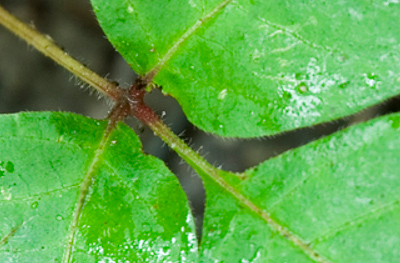
Learn more at the American Academy of Dermatology: AAD Poison ivy, oak, and Sumac Overview.






















Dear Patients,
Our goal here at The Dermatology of Institute of Boston is protect the health of our patients and staff. To continue caring for our patients during these uncertain times, while strictly adhering to the guidelines set by the CDC, we will be only offering virtual consultations. For some patients, an in person visit is best, but if you feel that your concern could be addressed online, this may be a convenient option for you.