

Jump To
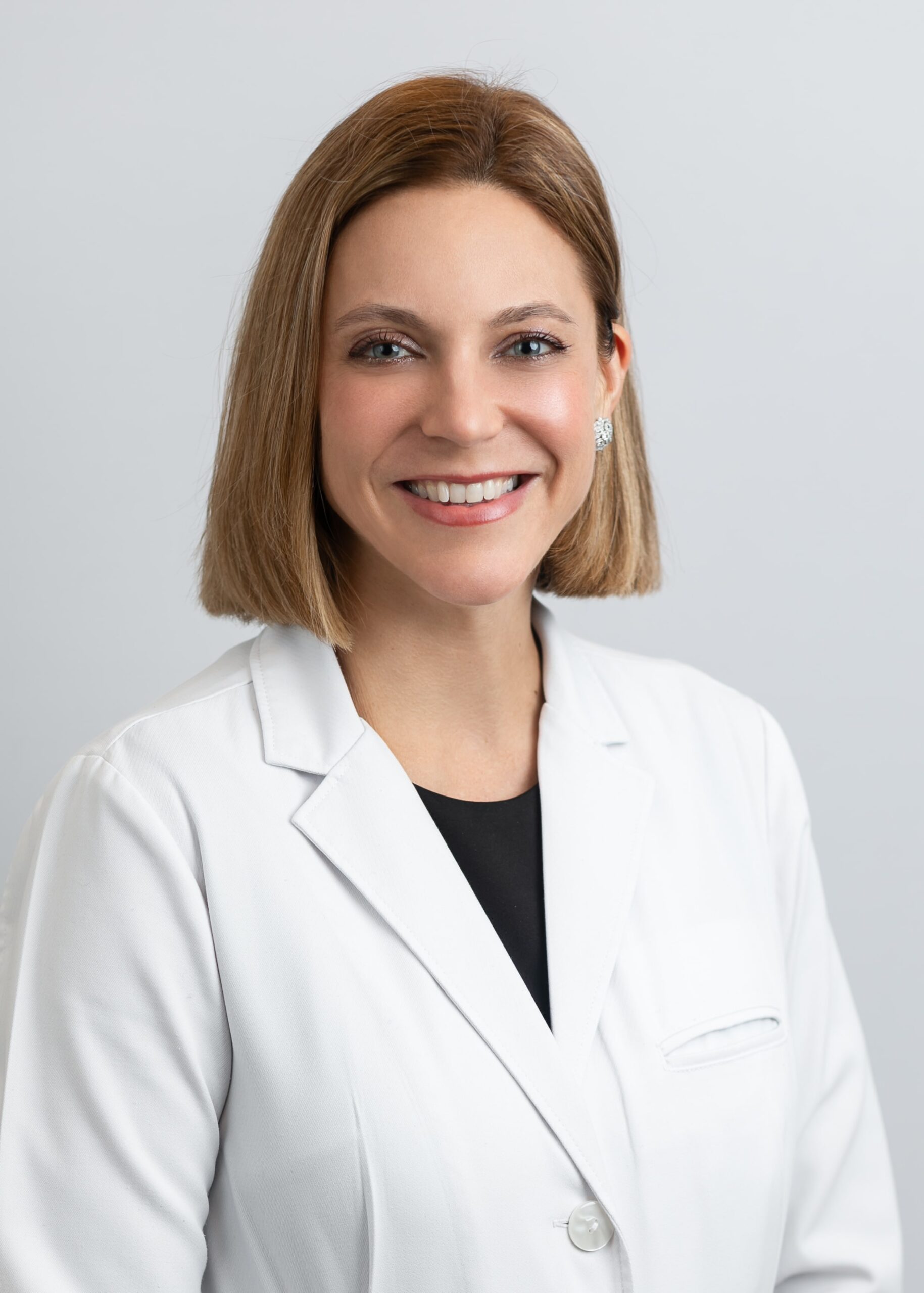
My approach to acne is that all acne deserves to be treated. Whether a patient has 30 pimples or 1, if it is bothersome to them, we should treat it with the same sincerity. Acne can severely impact one’s quality of life and treating it can be life changing.
– Dr. Emmy Graber
Acne is an exceedingly common condition in both teenagers and adults. Those with acne often suffer from feelings of low self-esteem. At The Dermatology Institute of Boston, we specialize in treating acne in Boston, along with acne scars. Our experienced providers help patients clear their skin and regain their self-confidence. There are many acne treatments available today. Some treatments, such as washes and gels, are available at your local drugstore without a prescription.
Similarly, these drugstore solutions can be a dead-end for many people as some don’t experience any change in their skin at all. If you feel like you’ve tried it all and haven’t seen any progress, it’s a good idea to visit us at the Dermatology Institute so we can help you find an acne treatment that works.
Other prescription treatments are available from your dermatologist, including creams, gels, washes, and pills. We are one of the most comprehensive practices in Massachusetts when it comes to available options for acne treatment. Sebacia acne laser treatment involves gold particles massaged into the pores and heated by a laser to minimize oil production. Our experienced and skilled aesthetician also offers a medical cleansing facials and chemical peels to help acne-prone skin.
We provide a wide range of techniques for acne scar treatment that are suitable for the severity of your particular condition. We can also prepare you to ward off the source of acne scarring by mitigating regular pimples, bacne, and solutions for safe and effective blackhead extraction.

It’s been a long journey to get my acne under control. Knowing that Dr. Graber felt confident in the treatment plan helped me have patience. I felt like Dr. Graber and I were a team in the fight against my acne.
– Natalie Elliott, patient
Some of the available treatments at The Dermatology Institute of Boston for acne and acne scars:
No acne treatment works immediately, and it takes weeks to months to see improvement. Sticking to a regimen tailored to each individual’s skin needs by one of our professionals is the best path to clearer skin. You also have to consider what may be causing your acne, as it could be due to hormones, stress, dietary habits, and more.
Acne medication is always bound to help, but considering the sensitivity of each person’s skin, you may have to try numerous solutions to find what works best for you. Before anything, you’ll want to have a consultation with us to determine which acne treatment is optimal for your desired outcome. This requires knowing more about your skin type, current acne situation, and what you’d like to see change by the end of your treatment.
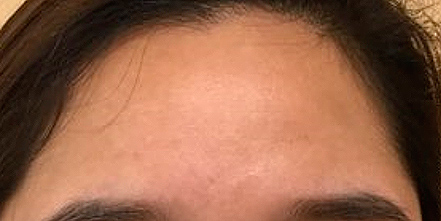
close
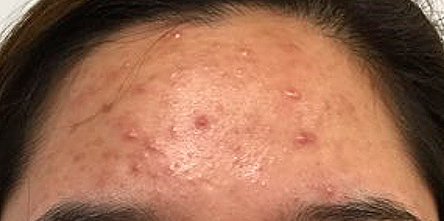
Current patient:
before she started care and after being seen at
The Dermatology Institute of Boston
In addition to damaging one’s self-esteem, acne can cause permanent scarring. We also offer a number of treatments available to minimize acne scarring. Some of the treatments performed at The Dermatology Institute of Boston include chemical peels, laser treatment, microneedling, and filler injections. We’re dedicated to providing the best acne treatment for each patient’s unique needs, and even if it takes a little trial and error, we’ll be able to find the light at the end of the tunnel eventually. Whether you’re in need of an acne spot treatment or potentially a cystic acne treatment, there are numerous solutions available to help clear up your skin and avoid as much scarring as possible.
No matter how effective a procedure may be, acne treatments aren’t known to be an overnight process. It may take multiple sessions in conjunction with at-home remedies for the best result. For some people, achieving the clear skin they’ve always wanted requires a team effort with everyone involved.
It’s widely known that acne can be stubborn and quickly get ahead of you if you don’t act on it. With the many known types of acne, you may be experiencing back-to-back whiteheads or pesky nodular acne that can be pretty painful at times. Nevertheless, you shouldn’t lose hope as we’re here to provide our expertise so you can get your skin back on track. You can rest assured that we take a customized approach to every situation, and you’ll be thoroughly educated every step of the way so you understand exactly what needs to be done.
Acne treatments can come with a long road of dedication, and although they may be exhaustive, you’ll eventually end up with the skin you’ve always wanted. It’s also important to us that we consider your budget, and we try our best to develop cost-effective treatments that work the first time instead of sending you down a rabbit hole of endless treatments.
Generally, we offer a set fee for new acne initial consultations and a smaller fee for all follow-up visits. The cost of follow-up visits may vary depending on the needs of the individual patient, but will always be disclosed prior to the appointment or service. Please call our office for more information!
To learn more about the many treatment options we offer for acne in Boston, contact our office today and schedule a consultation with Dr. Graber or one of our experienced providers. If you’re curious about cost, treatment schedule, or any other aspect of the process, she will be happy to answer any questions you may have. Don’t hesitate to pursue the acne treatment you need, as everyone deserves to feel good in their skin.
How Can I Stop Acne on My Face?
We don’t know exactly why some individuals get acne. Likely, acne is driven by many factors including: genetics, hormonal changes, inflammation and bacteria. Although there is no surefire way to prevent acne outbreaks, there are some steps you can take that may be effective. These efforts include washing your face twice daily with a mild cleanser, avoiding touching your face and removing any makeup at the end of the day. You should also avoid over-drying your skin.
Makeup can clog pores and lead to pimple formation, so choose cosmetics that are labeled non-comedogenic. Be sure to remove all makeup completely and cleanse your face before bed.
While oily skin is often associated with acne, having skin that is too dry can also be a problem. When your skin is overly dry the protective layer of your skin, called your skin barrier, may not be functioning properly and this may make you more acne prone. Additionally, with dry skin, your oil glands may work overtime. Oil overproduction is a condition ripe for acne, so be sure to moisturize, particularly in cold, dry weather. Additionally, refrain from using astringents too often as these substances can dry out your skin.
How Can I Treat My Acne?
Many patients first try over-the-counter products for their acne. However, if these products don’t work well, then it’s time for professional acne treatment. A dermatologist has access to prescription topical and oral acne treatments, plus the knowledge and training to choose which treatments are best for your acne.
Compliance is a crucial part of acne treatment. You should diligently follow your dermatologist’s instructions to achieve the best results. In other words, take or apply medication as directed and make any recommended lifestyle changes.
What Is the Best Medicine for Acne?
Why Is My Acne Not Clearing Up?
Sometimes over-the-counter treatments are just not powerful enough to handle stubborn acne. In other cases, a patient may be using the wrong products altogether. Keep in mind that successful acne treatment may take months, and severe acne is rarely cleared in a matter of days.
If you find that your acne is resistant to treatment or recurring often, consult the Dermatology Institute of Boston. Your board-certified dermatologist can make expert recommendations on how to get rid of acne and keep your skin healthy.
At What Age Is Your Acne the Worst?
What Is the Main Cause of Acne?
Acne can form as a result of many causes, but hormonal changes may be one of the culprits. As people enter adolescence, an increase in the production of hormones called androgens begins. Acne often occurs when androgen levels rise.
Of course, several other factors can contribute to acne problems. These factors include stress, skincare regimen, hygiene, genetics, environment, and diet. You can reduce some of these risk factors, but others are beyond your control, like your genetics.
There are different kinds of acne, and your dermatologist can determine which type you have. Then, they can work with you to develop an effective treatment plan based on your individual situation and any contributing factors.
Does Eating Chocolate Cause Acne?
What Is Best for Breakouts?
At What Age Do Pimples Stop?
Should I Pop My Pimples?
How Can I Treat My Acne Scars?
Unfortunately, acne can leave noticeable scars in the skin that last for decades. Scars form when pimples damage the deeper layers of the skin. Scarring is particularly common with cystic acne, a type of acne characterized by pus-filled large bumps. However, you can get scarring even from small, tiny pimples.
Acne scarring can have a significant impact on your self-esteem and social interactions. The blemishes left behind by acne may be a source of embarrassment. Understandably, many adults and teenagers want to eliminate or at least reduce their acne scars.
Fortunately, there are many acne scar treatments available these days. Even depressed acne scars and pockmarks can be improved with today’s treatments. Modern dermatology has options including: lasers, chemical peels, dermal fillers, and microneedling.
Whatever acne scar treatment regimen you undergo, you can rest assured that the board-certified dermatologists at the Dermatology Institute of Boston will select treatments based on your unique circumstances and needs.
Should I See A Dermatologist for Acne if I don’t have insurance?
How is acne treated at a Boston dermatology practice?
At The Dermatology Institute of Boston, we tailor acne treatment to the type of breakouts you have, their severity, your skin type, and your medical history. Our full range of acne treatment options includes prescription topicals, oral antibiotics, spironolactone, oral contraceptives, isotretinoin, chemical peels, and laser-based therapies such as AviClear. Led by Dr. Emmy Graber, MD, MBA, our board-certified team builds a regimen you can stick with and adjusts it as your skin responds.
How long does acne treatment take to work?
Most patients see meaningful improvement in 8 to 12 weeks, although spironolactone, oral contraceptives, isotretinoin and certain laser protocols can take longer to reach full effect. It is normal for skin to look similar, or to briefly flare, in the first few weeks as pores clear out. Consistency matters more than intensity when it comes to acne, so using your topicals nightly and taking oral medications as directed is often what shortens the timeline to clearer skin. We schedule follow-ups to track progress, manage any irritation, and adjust your plan early rather than waiting months for a result that was not coming. If you are not improving by the checkpoint we set together, we will switch course. Our goal is realistic, steady progress, not promises of overnight clear skin.
How do I get my acne medications?
What caused my acne?
Many patients want to know what the root cause of their acne is. Unfortunately, the vast majority of the time, no one can identify a patient’s root cause of acne. Some possible causes may be certain medications (such as hormones), stress and sometimes diet. For most patients though, we can not identify a cause. Even though a root cause of acne may not be identified, we can still successfully treat acne.
What is the best treatment for acne scars?
When should I see a dermatologist for acne?
If your acne or your scars bother you, see a dermatologist! Your self-esteem is important and if your appearance is harming your self-confidence, it is time to take action. For some patients, over-the-counter drugstore products can be helpful but may take 8 to 12 weeks to work. You should also see us sooner if your acne is cystic or painful, leaves marks or scars, or is affecting how you feel about yourself. Scarring can be permanent, and early professional care is the most effective way to prevent it. To get started, you can request a consultation or book online with our Boston, MA team.
How much does acne treatment cost in Boston?












Dear Patients,
Our goal here at The Dermatology of Institute of Boston is protect the health of our patients and staff. To continue caring for our patients during these uncertain times, while strictly adhering to the guidelines set by the CDC, we will be only offering virtual consultations. For some patients, an in person visit is best, but if you feel that your concern could be addressed online, this may be a convenient option for you.