


Jump To
 Deciding what Chemical peel would be best for you?
Having a discussion with your healthcare professional can help you make the best decision for your skin that will leave you glowing.
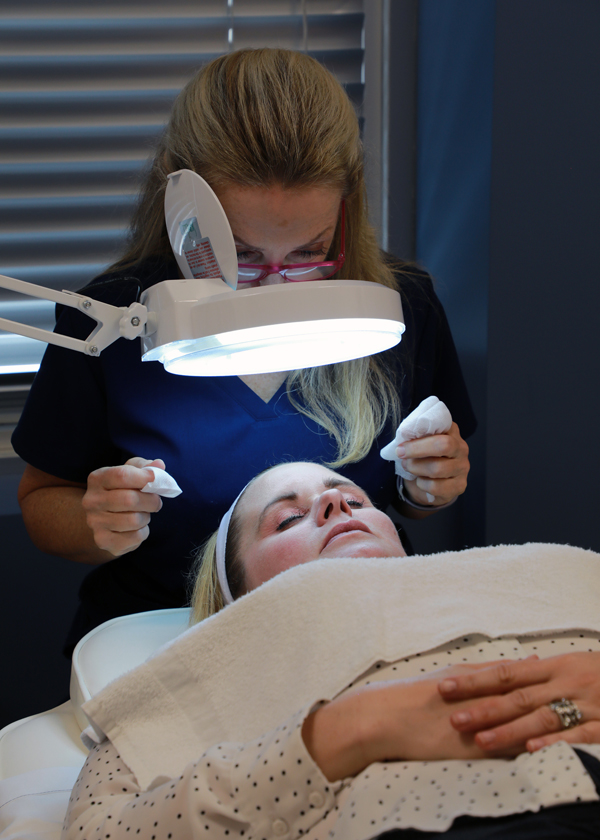
We offer medical-grade in-office chemical peels, which are a form of chemical exfoliation. This is done to address a variety of skin concerns, like melasma, acne, fine lines, and dark spots. All can be done during a short office visit and have minimal to moderate downtime, depending on the type of chemical peel dermatology done. It is important to note that all chemical peels make your skin more sensitive to the sun, so appropriate sun protective measures should be used post-procedure. Most patients will need a series of peels to achieve their desired outcome.
Glycolic chemical peels (also known as glycolic acid peels) are cosmetic treatments with mild peels and great for most skin types and can be used to treat fine lines and wrinkles, sun damage, and to improve skin texture and skin tone.
This is an alpha-hydroxy acid (AHA) peel that involves applying a glycolic acid solution (20%, 30%, or 40%) to the skin to remove dead skin cells and stimulate collagen production gently. It is safe on a wide variety of skin tones and does not typically cause a visible “peel” of the skin. This chemical peel has very little downtime and is great for those looking to brighten their complexion, treat melasma, or minimize signs of sun damage.
They are best for treating surface imperfections, like light skin discolorations, acne, and blackheads. This chemical peel is also good for treating melasma and pore reduction.
Glycolic acids also stimulate collagen, so over time, multiple glycolic peels may help with very fine wrinkles and mild skin imperfections. For best results, we recommend a series of four chemical peel treatments every 4 to 6 weeks and periodically thereafter to maintain results. There’s usually no obvious peeling with glycolic peels and results become visible after a series of treatments.
Salicylic acid is a beta-hydroxy acid (BHA) derived from willow bark that is known for its ability to penetrate deep into the pores and dissolve excess oil and debris. This type of chemical peel dermatology involves applying a medical-grade strength solution of salicylic acid to the skin to unclog pores, reduce oiliness, and treat acne. Mild flaking is normal for up to a week post-peel. It is safe on a wide variety of skin tones.

This is a medium-depth peel that involves the application of a blend of different acids (lactic acid, salicylic acid, and resorcinol). This is a stronger peel that is known for delivering great results for a wide variety of skin concerns, including lightening sun spots, smoothing fine lines, and overall brightening. The downtime is moderate and varies between individual patients. It is also dependent on how many coats are applied. Your skin may look pink to red afterward, and you will experience flaking for up to one week. This chemical peel is best for lighter skin tones as there is a risk of post-inflammatory pigmentary changes in those with darker skin tones.
VI Peels are a range of medium-depth chemical peels designed to address various skin concerns like wrinkles, acne, hyperpigmentation, and uneven texture. This chemical peel dermatology treatment, taking about 20 minutes, involves applying a VI Peel solution that penetrates the skin.
Types of VI Peels include the Original, Advanced, Precision Plus, and Purify with Precision Plus, each formulated to target specific needs such as aging, discoloration, and acne scars.
All VI Peels use specialized ingredients to rejuvenate the skin, making it appear firmer, brighter, and smoother. Suitable for all skin types, these peels are safe and involve minimal downtime.
Patients should avoid sun exposure and certain skincare products before and after treatment. For optimal chemical peel dermatology results, two to three sessions spaced one month apart are recommended. Consultations at the Dermatology Institute provide personalized guidance on the best VI Peel for each patient.
A chemical peel creates a controlled exfoliation of the skin, which is why professional evaluation matters. We use chemical peels to help improve concerns such as texture, dullness, acne-related congestion, uneven tone, fine lines, and certain pigmentation concerns, but the depth and strength of the peel must be matched carefully to your skin. A peel that is too strong, used too often, or performed on skin that is not properly prepared can create avoidable irritation or discoloration.
Expected effects may include redness, tightness, dryness, flaking, peeling, and temporary sensitivity. Depending on the peel, some patients may experience stinging or warmth during treatment and several days of visible peeling afterward. Less common risks include prolonged redness, infection, scarring, acne flare-ups, cold sore reactivation, or post-inflammatory hyperpigmentation, which means darkening of the skin after irritation. This is especially important to discuss for patients with melasma, deeper skin tones, or a recent tan.
We reduce these risks by selecting the appropriate peel, reviewing your skincare routine, discussing recent sun exposure, and explaining what to stop before treatment, such as certain exfoliants or retinoids when appropriate. Some of the types of peels that we offer include: glycolic acid peels, salicyclic acid peels, mandelic acid peels, Jessner’s peels, trichloroacetic acid (TCA) CROSS peels, and VI peels. VI peels contain unique blends of different types of acids which offer a medical-grade superficial to medium depth chemical peel. After a peel, gentle care and consistent sunscreen are essential because the skin is more vulnerable while it renews. When a peel is not the best option, we may discuss alternatives such as microneedling, laser treatments, or a medical skincare plan.
For many patients, the most important part of peel safety is choosing the right depth for the concern being treated. A lighter peel may be appropriate when downtime needs to be minimal, while deeper resurfacing requires more careful planning, sun avoidance, and aftercare.
This specialized treatment designed to improve the appearance of certain depressed acne scars, particularly deep ice pick scars and select boxcar scars. Unlike traditional chemical peels that treat the entire face, TCA CROSS involves the precise application of trichloroacetic acid directly into individual scars to stimulate collagen remodeling while minimizing effects on the surrounding skin. At The Dermatology Institute of Boston, every patient undergoes a comprehensive evaluation to determine the underlying causes of their acne scarring and whether TCA CROSS is the most appropriate treatment or if it should be combined with other options such as laser resurfacing, microneedling, dermal fillers, or medical acne management.
During treatment, the acid is carefully applied to targeted scars, creating a controlled healing response that gradually softens scar depth over multiple sessions. Patients may experience temporary redness, crusting, or darkening at the treatment sites, and proper aftercare—including gentle skincare and diligent sun protection—is essential for optimal healing. Because acne scars vary significantly in appearance and severity, realistic expectations and personalized treatment planning are emphasized throughout the consultation process.
The Dermatology Institute of Boston takes a physician-led approach to acne scar treatment, focusing on individualized care rather than one-size-fits-all solutions. By evaluating scar type, skin tone, active acne, pigmentation risk, and lifestyle factors, the team develops customized treatment plans designed to achieve meaningful, natural-looking improvements. Patients receive honest guidance about expected outcomes, recovery, and the potential need for combination therapies to achieve the best possible results.















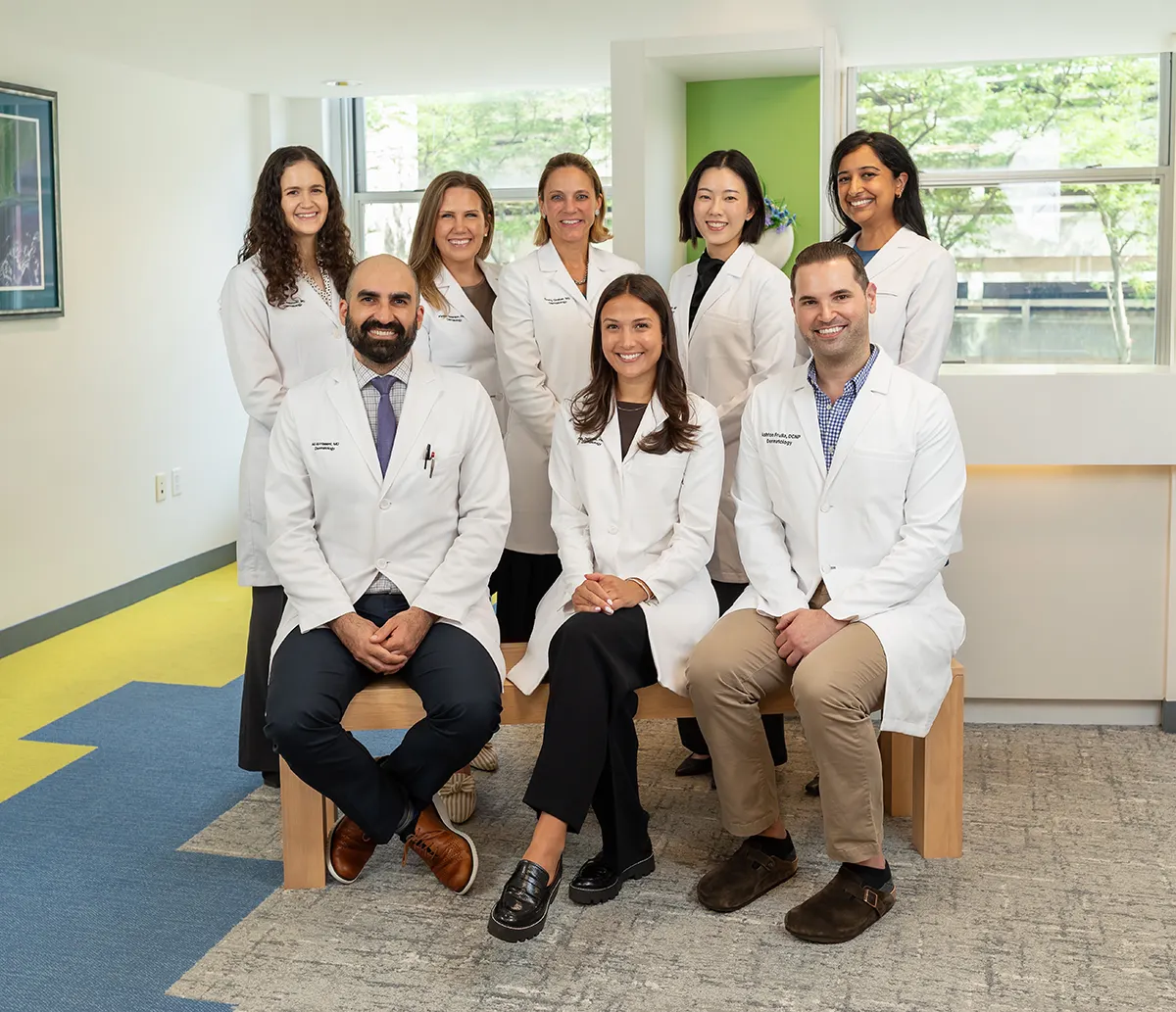
Dear Patients,
Our goal here at The Dermatology of Institute of Boston is protect the health of our patients and staff. To continue caring for our patients during these uncertain times, while strictly adhering to the guidelines set by the CDC, we will be only offering virtual consultations. For some patients, an in person visit is best, but if you feel that your concern could be addressed online, this may be a convenient option for you.