
Jump To
Ablative laser resurfacing is an advanced skin rejuvenation treatment that removes precise layers of damaged skin to improve skin texture, tone, and overall appearance. By stimulating the skin’s natural healing response and promoting collagen remodeling, and removing part or all of the upper layers of skin, ablative lasers can help reduce fine lines, wrinkles, sun damage, uneven pigmentation, and certain types of acne scarring. Treatment intensity can be customized to address individual concerns, ranging from superficial resurfacing with minimal downtime to deeper treatments with longer downtime for more significant skin damage and scarring. Depending on the laser technology and treatment settings, patients may experience temporary redness, swelling, peeling, oozing, crusting and a period of recovery as the skin heals.
The UltraClear® laser is an innovative ablative resurfacing platform that uses a 2910-nm erbium-doped fluoride glass fiber laser to deliver precise energy to the skin. Its customizable treatment modes allow dermatologists to tailor the depth and intensity of resurfacing to address concerns such as sun damage, uneven skin tone, fine lines, wrinkles, textural irregularities, discoloration and acne scars. The technology is designed to minimize unnecessary heat transfer to surrounding tissue while promoting skin renewal and collagen remodeling. This versatility allows treatments to be customized for patients seeking anything from a subtle skin refresh to more intensive resurfacing, depending on their individual needs and aesthetic goals. Clinical studies have demonstrated improvements in photodamaged skin following treatment with the 2910-nm fractional ablative laser.
One of the key advantages of the UltraClear® laser is its ability to offer different treatment intensities based on a patient’s skin concerns, desired results, and tolerance for downtime. Depending on the selected treatment mode, patients may experience temporary redness, swelling, sensitivity, oozing and peeling, with recovery ranging from relatively brief to more extended following deeper resurfacing. Improvements in skin texture and tone may become noticeable as the skin heals, while collagen remodeling can continue over the following months. Although UltraClear® is designed to reduce excess thermal injury and may offer a more comfortable treatment experience than some traditional ablative lasers, results and recovery vary. A consultation with a qualified dermatologist is essential to determine whether UltraClear® is appropriate for your skin type and concerns, review potential risks, and develop a personalized treatment plan.
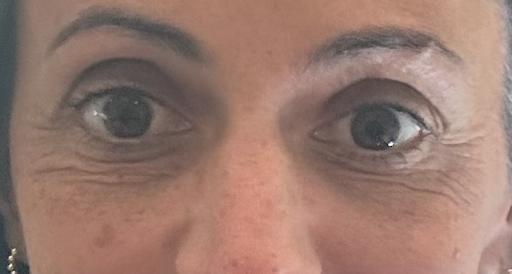
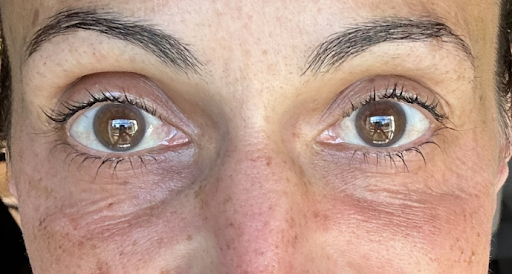
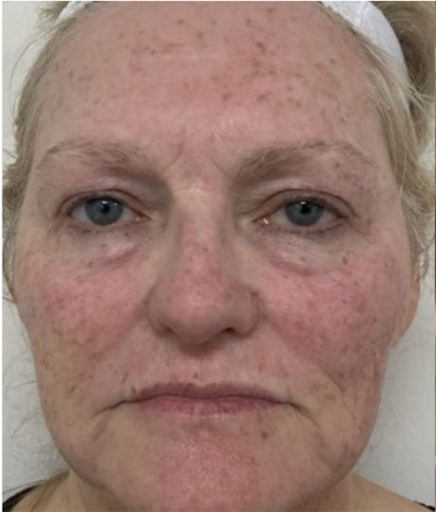
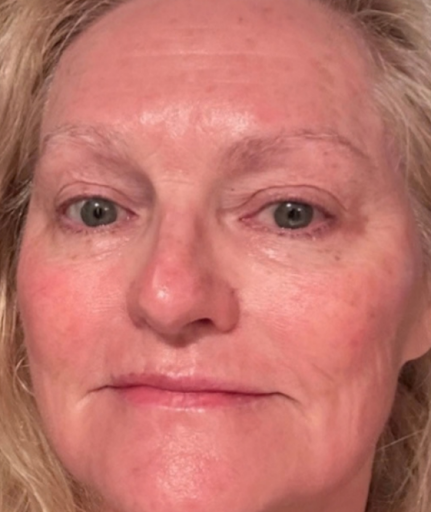
Traditional ablative resurfacing has relied primarily on carbon dioxide (CO₂) and erbium-doped yttrium aluminum garnet (Er) lasers. Although these technologies can produce substantial clinical improvement, their effects on surrounding tissue, treatment intensity, and associated recovery vary considerably. Modern fractional resurfacing techniques deliver laser energy in controlled microscopic treatment zones while preserving intervening tissue to facilitate re-epithelialization. Treatment depth and density can be tailored to the patient’s clinical concerns, skin characteristics, and tolerance for downtime, allowing for individualized treatment strategies that balance efficacy with recovery.
The UltraClear laser is one of the best laser treatments, as it offers impressive results. Patients will see significant improvement and should be aware that all ablative lasers, including UltraClear, do have more recovery time than non-ablative lasers. As with all ablative procedures, potential complications include post-inflammatory hyperpigmentation, infection, prolonged erythema, and scarring. Careful patient selection, appropriate pre- and post-procedure skin care, and rigorous photoprotection are essential. A comprehensive consultation with a board-certified dermatologist can help determine whether UltraClear® or another resurfacing modality is best suited to the patient’s skin type, clinical concerns, and aesthetic goals.
It is important to schedule a consultation with one of our board-certified dermatologists who can examine your skin and discuss with you what to expect before, during and after an UltraClear® treatment.










Dear Patients,
Our goal here at The Dermatology of Institute of Boston is protect the health of our patients and staff. To continue caring for our patients during these uncertain times, while strictly adhering to the guidelines set by the CDC, we will be only offering virtual consultations. For some patients, an in person visit is best, but if you feel that your concern could be addressed online, this may be a convenient option for you.